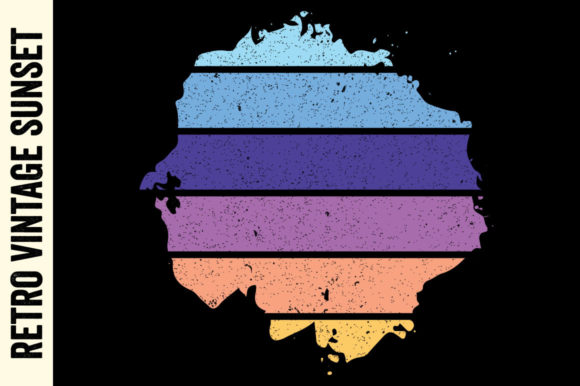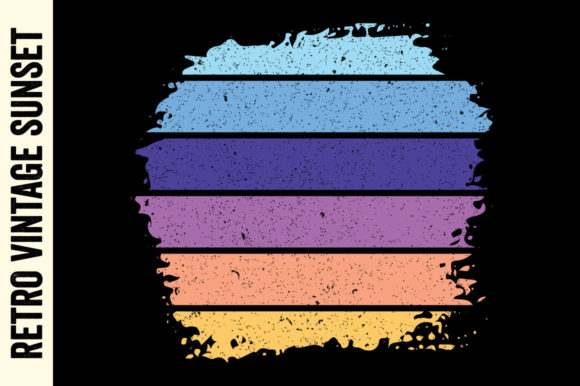
Vintage Retro Sunset 4
As an embroidery designer and product reviewer, I’ve evaluated countless machine embroidery designs over the years. Vintage Retro Sunset 4 is one that stands out for its nostalgic charm and versatility. It’s a design that feels like it belongs in a vintage postcard, with soft gradients, warm tones, and a sense of timelessness that makes it perfect for a range of projects. Whether you're working on custom apparel, personalized gifts, or small business merchandise, this design has potential—but it also comes with some practical considerations.
The First Impression: A Nostalgic Visual Journey
From the moment I opened the file, Vintage Retro Sunset 4 exuded a warm, inviting mood. The composition is balanced, with a central sunset motif that radiates outward in gentle curves and layered hues. The use of satin stitch and fill stitch gives the design a smooth, painterly feel, while subtle details add depth without overwhelming the eye. This isn’t a design that screams for attention—it quietly demands to be noticed, making it ideal for products that aim to evoke a sense of calm and elegance.
The layout suggests it was designed with larger hoop sizes in mind. The intricate details in the sky and the soft edges of the sun make it less suited for small hoop embroidery. If you’re planning to use it on a cap or a baby onesie, you’ll need to adjust the design accordingly.
Real-World Use: Where Does Vintage Retro Sunset 4 Shine?
I tested Vintage Retro Sunset 4 on a variety of fabrics and projects to see how it performed. On a cotton tote bag, it looked stunning—especially when paired with a light-colored thread that contrasted well with the dark background. The design added a touch of personality without being too busy, making it a great choice for a handmade shop or Etsy listing.
On a sweatshirt, the design worked well, but I noticed that the stitch density could be a bit heavy in certain areas. For commercial embroidery projects, this might require extra attention to ensure the fabric doesn’t pucker or stretch. For personal use, it’s manageable, but if you’re planning to sell items with this design, it’s worth testing on a sample first.
When used as an embroidered patch, Vintage Retro Sunset 4 looked elegant and professional. The design’s size and detail made it suitable for a medium-sized patch, and the soft colors gave it a refined look that would appeal to customers looking for vintage-inspired accessories.
Where to Be Cautious: Limitations and Considerations
While Vintage Retro Sunset 4 is visually appealing, it’s not without its challenges. The design’s complexity may not translate well to small hoop sizes. If you’re working on a cap or a hat, you’ll need to scale it down or split it into sections, which can affect the overall look.
On textured or stretchy fabrics, the design may not sit as smoothly as it does on flat, stable materials. I found that using the right stabilizer was essential to prevent distortion. Thin or dark fabrics also require careful consideration of thread color contrast to ensure the design remains visible and cohesive.
For baby items, the design is appropriate, but you’ll want to avoid any sharp edges or dense stitching that could irritate sensitive skin. Similarly, for holiday or wedding gifts, the design’s warmth and elegance make it a strong choice, but you should always check the licensing terms before selling finished products.
Design Impact: From Visual Appeal to Customer Trust
Vintage Retro Sunset 4 has a clear visual appeal that can elevate any project. Its soft colors and nostalgic theme make it ideal for products that aim to evoke emotion and connection. As a handmade product or personalized gift, it adds a level of craftsmanship that customers appreciate.
From a business perspective, this design can help build brand consistency, especially if you’re targeting a niche market that values vintage aesthetics. It also enhances the perceived value of your products, making them more attractive to buyers who are looking for unique, high-quality items.
When used in printable mockups or digital product previews, the design maintains its quality, which is essential for marketing and client presentations. It’s a design that works well in both digital and physical formats, making it a versatile asset for any creative entrepreneur.
Practical Designer Notes: What to Check Before Using
Before finalizing any project with Vintage Retro Sunset 4, I recommend a few key steps. First, test the design on scrap fabric to see how it looks in real life. This will help you identify any issues with stitch density or fabric compatibility.
Check the thread color contrast, especially if you’re using dark fabrics. Review the stitch density to ensure it’s appropriate for your project. Confirm the hoop size required and make sure your machine can handle it. Inspect small details, like corners and lettering, to ensure they remain clear after stitching.
Test the design in black and white mockups to see how it translates without color. Compare it on light and dark backgrounds to ensure visibility. Use the proper stabilizer for your fabric type, and confirm whether the design is suitable for both personal and commercial use.
Finally, always check the licensing terms before selling finished items or digital products. Even though Vintage Retro Sunset 4 appears to be a print template, it’s important to verify the rights and restrictions associated with it.
Final Thoughts: A Design That Offers Value With Care
Vintage Retro Sunset 4 is a design that offers both aesthetic appeal and practical use, but it requires thoughtful application. It’s not a one-size-fits-all solution, but when used correctly, it can enhance a wide range of embroidery projects. Whether you’re an Etsy seller, a craft business owner, or a hobbyist, this design has the potential to add value and uniqueness to your work.
With the right approach, Vintage Retro Sunset 4 can become a staple in your design library—a piece that brings nostalgia, beauty, and professionalism to your finished products. Just remember to test, adapt, and respect the limitations of the design to ensure the best possible outcome.